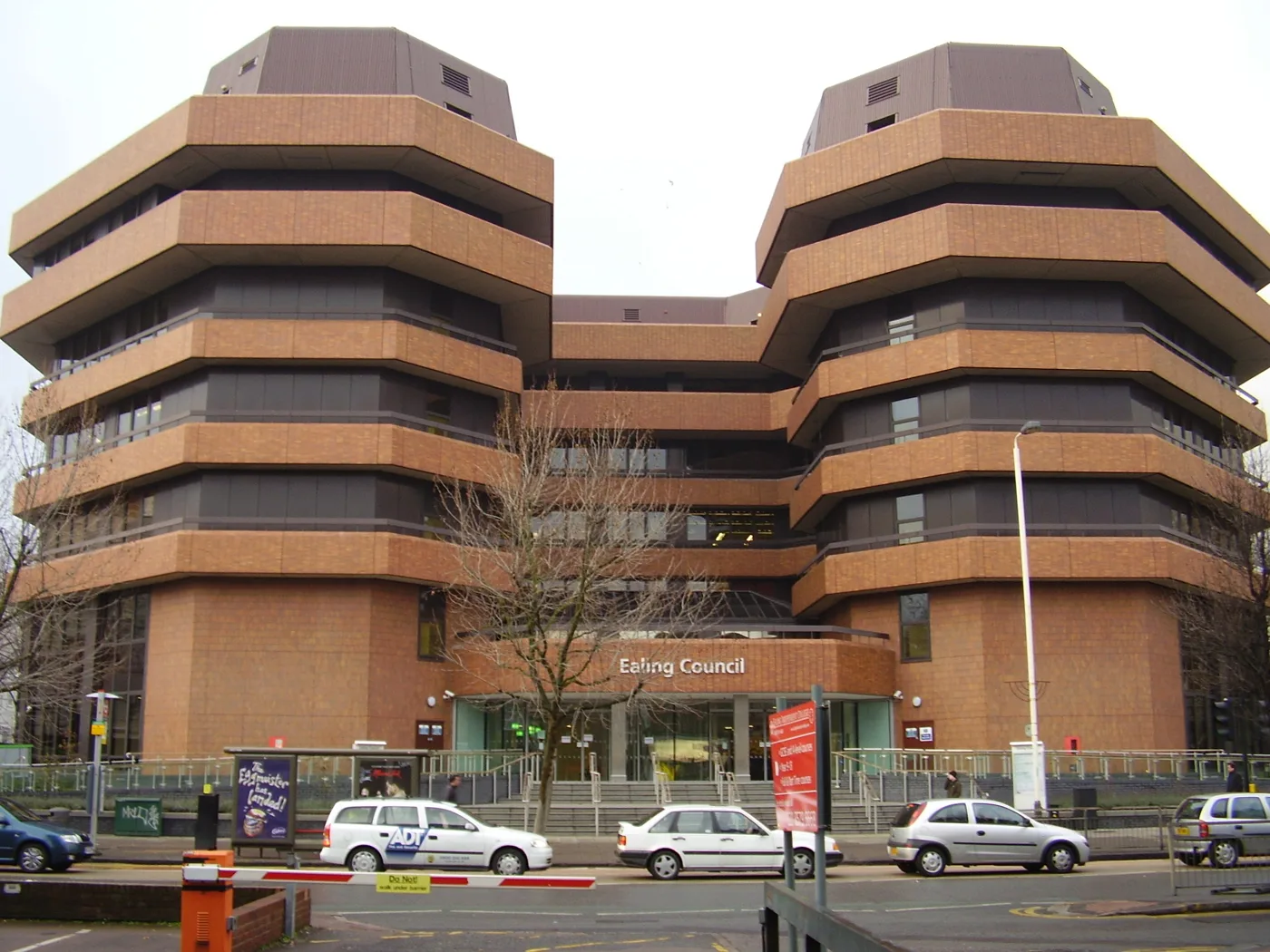

Ealing's fraud team recovered 33 council homes in 18 months, worth about £1.4m. Now a government deal with Airbnb will check listings against tenancy records.
Ealing Council’s fraud team has taken back 33 council homes from tenants in the last 18 months. The council published the figure on 19 August, alongside news of a government data-sharing agreement with Airbnb that lets councils check short-term rental listings against their own tenancy records.
A council home has to be the tenant’s main and principal home. Letting it out as a holiday rental, or subletting the whole of it, breaks the tenancy and can be a criminal offence.
The national agreement was announced by the Cabinet Office on 8 July. It is run by the Public Sector Fraud Authority, and it is the first arrangement of its kind between the government and a short-term letting platform. According to that announcement:
- more than 450,000 properties are covered by the data sharing
- participants include London local authorities, Edinburgh, Birmingham and Anglesey
- 470 potential cases of social housing fraud have been identified so far
- an estimated 5,800 social homes in England are suspected of being sublet illegally on short-term rental platforms
Ealing has not said how many of its own cases came from Airbnb data, and the 33 homes were recovered by its fraud team’s existing work rather than through the new agreement.
Two very different price tags
The council puts a figure on what those 33 homes were worth to the public purse. It cites the Tenancy Fraud Forum’s estimate that each fraudulently occupied social home costs around £42,000, which makes 33 homes worth nearly £1.4 million.
The government’s own announcement uses a much larger number for the same problem: £78,300 per case of tenancy fraud. The two are not measuring the same thing and should not be added together or averaged. Whichever you prefer, the direction is the same, and it is money that does not appear on any council budget line as a saving.
What 33 homes looks like against the queue
The more useful comparison is not in pounds. It is in households.
At 31 March 2025, 7,813 households were on Ealing’s housing register, according to the council’s own return to government. Every one of them was in a statutory reasonable preference category, meaning they are homeless, in overcrowded or unsanitary housing, or need to move on medical or welfare grounds.
The register is not mostly people wanting a studio flat:
- 1,921 households need one bedroom
- 2,624 need two bedrooms
- 2,655 need three bedrooms
- 613 need more than three bedrooms
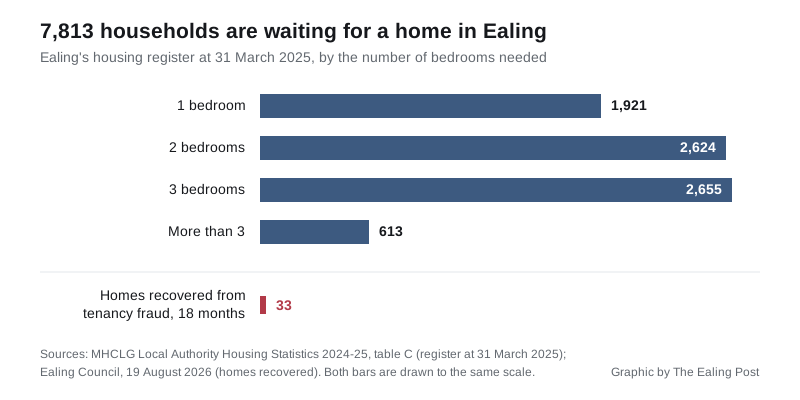
Thirty-three homes recovered over 18 months is a real result for 33 families. Set against 7,813 households in reasonable preference, it is not a housing supply policy, and the council does not claim it is.
Councillor Louise Brett, the council’s deputy leader and cabinet member for safe and genuinely affordable homes, said: “The overwhelming majority of council tenants follow the rules and use their homes as their main residence. However, we will always take strong action when we find that our properties are being misused.”
What it means for you
If you are a council tenant, the rule that matters is occupation. Your home must be your main and principal home. Taking in a lodger is a different thing from subletting the whole property, and the council’s tenancy conditions set out what needs its permission first. If your circumstances have changed, tell the council rather than leaving it to a data match.
The penalties are set out in statute, not by the council. Under section 2 of the Prevention of Social Housing Fraud Act 2013, subletting a secure tenancy while no longer living there as your principal home is a summary offence carrying a fine. Doing it dishonestly is the more serious offence: up to two years in prison on conviction on indictment, a fine, or both. Losing the tenancy is separate from, and in practice more common than, either.
If you think a home near you is being let out, the council asks for reports on its free fraud hotline, 0800 328 6453, or by email to fraud@ealing.gov.uk. It says reports are confidential and that you do not have to give your name. A holiday let is not proof of fraud on its own: a leaseholder or private owner in the same block can advertise on Airbnb quite lawfully, and short-term letting rules for private homes in London are a separate matter entirely.
If you are waiting for a home, Ealing allocates through a choice-based lettings scheme, so bids matter. The register figure above is the council’s own return at 31 March, so it lags by a year and a half, and a recovered home is re-let through the same queue as any other.
Sources
- Has your holiday home been rented illegally? (Ealing Council, 19 August 2026), for the 33 recovered homes, the £42,000 Tenancy Fraud Forum estimate, the £1.4 million total, the hotline and email, and Councillor Brett’s quote.
- Social housing fraud to be tackled under industry-first government partnership with Airbnb (Cabinet Office, 8 July 2026), for the Public Sector Fraud Authority’s role, the 450,000 properties, the 470 cases, the 5,800 estimate and the £78,300 figure.
- Local Authority Housing Statistics, 2024 to 2025 (MHCLG), table C, for Ealing’s housing register at 31 March 2025 and the bedroom split.
- Prevention of Social Housing Fraud Act 2013, section 2 (legislation.gov.uk), for the offences and maximum penalties.
Have your say